
How to Attract Visitors to Your Exhibition Stand (Without Feeling Pushy)
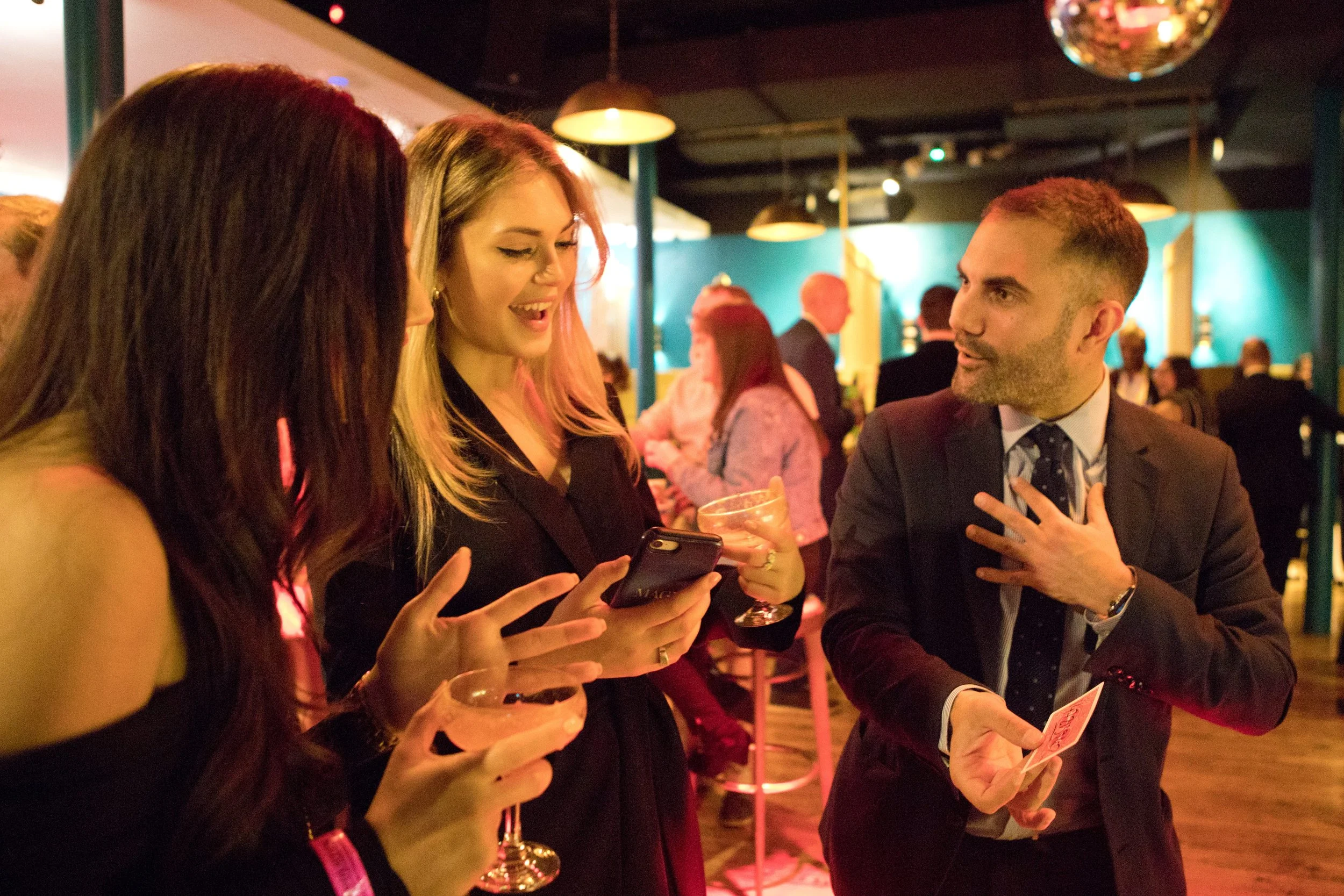
A group of exhibition visitors gathered around during a busy UK trade show, smiling and reacting to an interactive close-up magic performance. The relaxed setting creates natural engagement, encouraging conversation and drawing attention from other attendees nearby.
Trade shows are busy, high-energy environments.
Every brand is competing for attention.
Every stand is hoping to start meaningful conversations.
And every visitor is making quick decisions about where to spend their limited time.
If you’ve exhibited before, you may recognise the frustration of investing heavily in your stand — only to watch people walk straight past.
The real challenge isn’t simply being present at an exhibition.
It’s creating an environment that naturally draws people in.
Why Many Exhibition Stands Struggle to Attract Visitors
Modern exhibition visitors are experienced.
They instinctively avoid spaces that feel overly sales-focused or uncomfortable to approach. Even the most visually impressive stand can feel difficult to engage with if the atmosphere isn’t right.
Visitors tend to move towards stands that feel:
• Welcoming
• Interactive
• Energetic
• Human
Because trade shows, at their core, are about connection.
When engagement feels forced, footfall drops.
When interaction feels natural, curiosity takes over.
First Impressions Happen Before Conversations Begin
Long before a visitor hears your pitch or reads your messaging, they experience the emotional tone of your stand.
They notice:
• Whether people are smiling
• Whether conversations feel relaxed
• Whether something interesting is happening
• Whether the space feels inviting or intimidating
This atmosphere plays a significant role in attracting visitors.
A stand that feels alive and approachable creates a natural pull.
People are drawn towards energy they can sense.
If you’re exploring ways to create a more engaging stand experience, you can see how this works in practice on my trade show engagement page.
Creating Natural Reasons for Visitors to Stop
One of the most effective exhibition strategies is to give visitors a comfortable, low-pressure reason to pause.
When people see others engaged in a shared experience, curiosity builds organically. They move closer to understand what’s happening, rather than being asked to stop.
Interactive elements can be particularly effective because they:
• Remove the barrier of initiating conversation
• Encourage group participation
• Create visible energy on the stand
• Support relationship-building naturally
This shift from “sales approach” to “experience invitation” can transform engagement levels.
Turning Footfall Into Meaningful Engagement
Attracting visitors is only the first stage of exhibition success.
What truly impacts return on investment is what happens once they arrive.
Strong engagement helps to:
• Extend dwell time on the stand
• Create more open and productive conversations
• Improve the quality of leads gathered
• Support brand perception positively
When visitors feel relaxed, they engage more authentically.
This leads to stronger post-event follow-up opportunities.
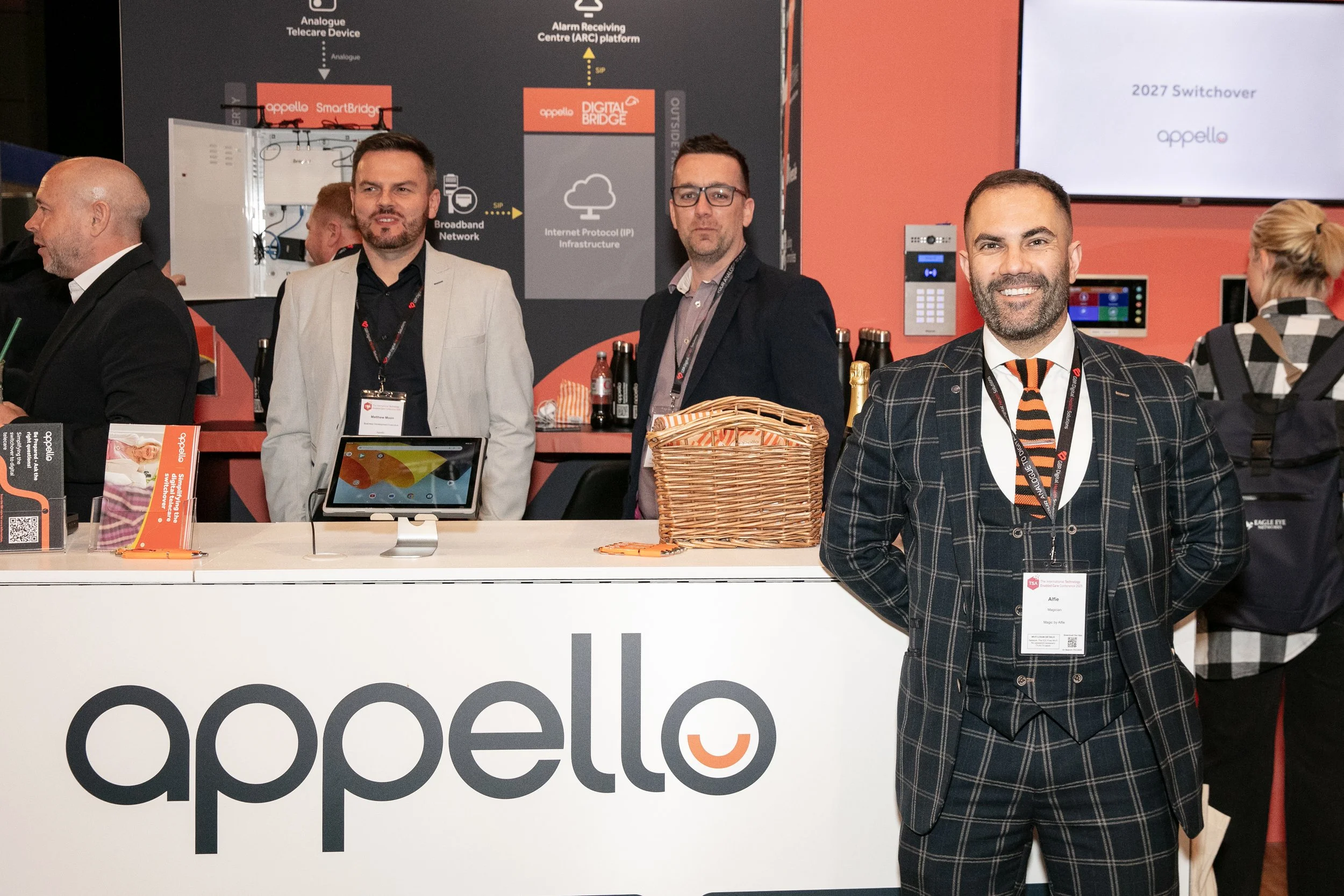
The Appello exhibition stand during live event hours, highlighting the professional business environment in which interactive engagement strategies support brand visibility, visitor footfall and meaningful conversations throughout the trade show.
A Real Example: Creating Engagement at a Recent UK Trade Show
At a recent trade show working with Appello UK, the objective was clear — attract more visitors to the stand and create an environment that encouraged meaningful interaction.
Rather than relying solely on visual design or promotional materials, the focus was on creating moments that felt natural and inclusive.
As visitors walked past, they noticed small groups already engaged in shared experiences. This created immediate curiosity and drew others in without pressure.
Once visitors stopped, conversations with the Appello team flowed more comfortably. The stand felt active, welcoming, and memorable throughout the event.
After the show, feedback highlighted not only increased engagement but also stronger quality conversations compared to previous exhibitions.
It was a reminder that how visitors feel during an interaction often shapes the commercial outcome that follows.
You can read the Appello trade show case study here.
Supporting Your Team’s Confidence and Energy
Exhibiting can be demanding for stand teams.
Maintaining enthusiasm, initiating conversations, and staying energised throughout the day requires a supportive environment.
When engagement happens naturally around them, teams often feel more confident and relaxed. This creates a positive cycle:
More interaction → better atmosphere → increased footfall → stronger conversations.
Designing your stand experience with this dynamic in mind can significantly influence event performance.
Moving Beyond Visibility Towards Experience
Many exhibition strategies focus heavily on visibility — banners, screens, promotional materials.
While important, visibility alone rarely creates lasting impact.
Visitors remember how they felt.
Experiences that involve participation, surprise, or genuine connection are more likely to stay in people’s minds after the event ends.
This emotional recall can play a meaningful role in post-event communication and brand perception.
A More Human Approach to Exhibition Success
Trade shows are ultimately about people meeting people.
Behind every lead, partnership, or opportunity is a moment of interaction.
When brands prioritise creating welcoming, engaging environments, they often see stronger commercial outcomes as a natural result.
For organisations planning future exhibitions, considering how atmosphere, interaction, and experience design work together can be a valuable step towards improving overall event success.
If you’re preparing for an upcoming trade show and exploring ways to create a more engaging stand environment, it can be helpful to consider approaches that prioritise genuine interaction alongside traditional marketing strategies. As each exhibition is unique, the most effective solutions are those aligned with your objectives, audience and brand experience goals. If you’d like to explore whether this type of engagement could support your stand, you’re welcome to learn more about my trade show services.